Last night was Ash Wednesday service, my least favorite service of the year. I’ve never fully appreciated the call to repentance and renewed discipleship. It’s not that I don’t think those two things are important, but I feel like those are daily practices in trying to follow Jesus…although, I suppose there is something to be said for a corporate call to repentance and renewal–sort of like the Day of Atonement in Judaism.
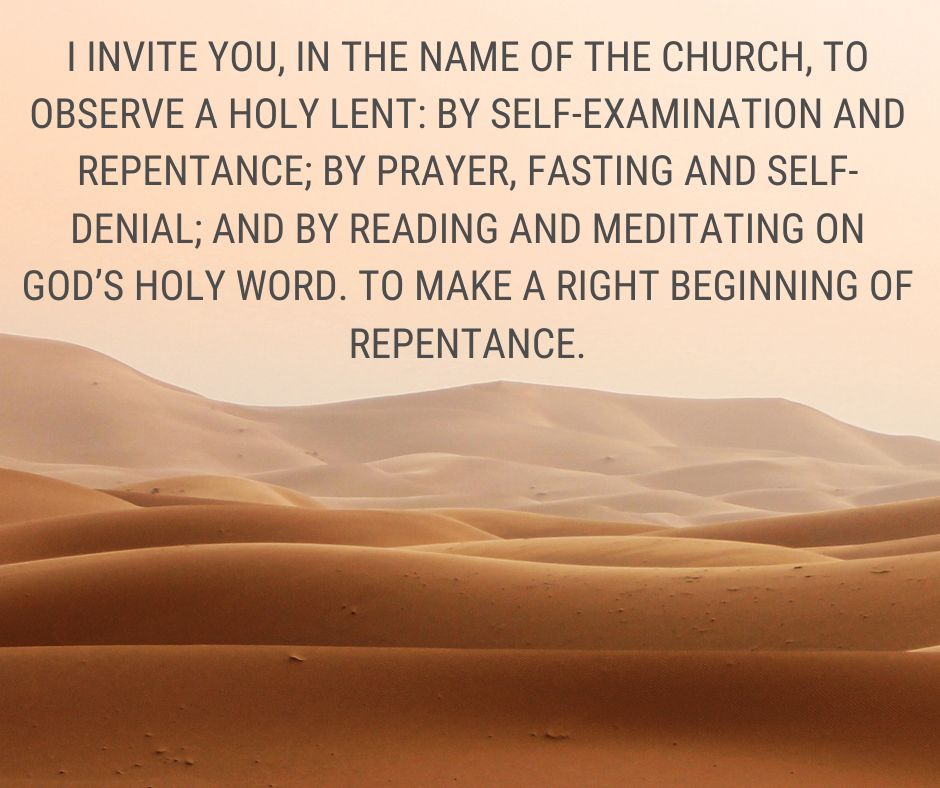
That said, I mostly just show up for Ash Wednesday and go through the motions until it’s over. But last night, something struck me. It came as my husband read out the invitation to enter into Lent.
This year, the beginning of Lent falls in the middle of the quadrennial Winter Olympics. To say I am an Olympic fan would be putting it mildly. I LOVE the Olympics. It’s a weird quirk for someone who generally eschews all things sports, but the Olympics are so amazing. I love seeing all the different sports beyond throwing and catching balls. Who knew sliding a stone along a sheet of ice could be so thrilling? And who in their right mind would look at a ski jump and say, “What if we just added a bunch of flips after we launch ourselves fifty feet into the air?” There’s also something beautiful about nations coming together to peacefully compete. And, of course, there are the athletes themselves who have spent years working toward this moment, and most of whom will go home with nothing more than the title of Olympian next to their name.
During the closing ceremony of each Olympic games, the head of the International Olympic Committee gives a proclamation, inviting the youth of the world to gather, once more, in four years time to compete in the Olympic games. That invitation, repeated every two years for both summer and winter games, always gives me goosebumps. It’s such a beautiful call–one of purpose and hope and expectation. And upon hearing it, I always think, “I can’t wait for the next Olympics!”
As I was listening to the invitation to enter into Lent last night, I found myself thinking: What if I approached Lent like I do the Olympics? Instead of something dark and dreary, what if the invitation to Lent was actually a beautiful call of purpose and hope and expectation? Because what is the point of Lent, really, if not to draw closer to Christ? And how can we approach that invitation with anything less than exuberance?
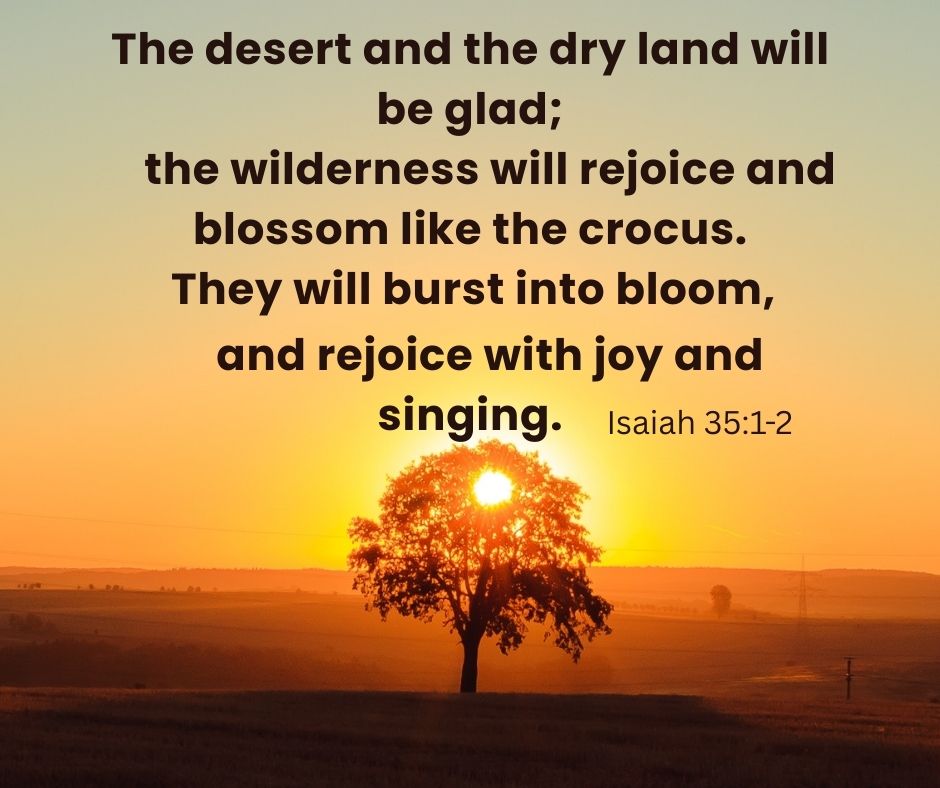
Through our practice of Lent, Jesus calls each of us to draw closer to him–to throw off the trappings of busyness and brain rot, of worry and want to sit with him in the desert places and be healed, uplifted, encouraged, and strengthened. And as we sit in those desert places, God promises that he will bring life. Forests will grow, plants will flourish, and streams will burst to overflowing.
Through the practice of Lent, God is inviting us to enter into the life that he desires for us, one marked by his presence and his wisdom and his love. We all enter into the desert in different ways. For some, it’s about giving something up. For others, it’s about taking something on. But for all of us, it’s about getting to that place where we can sit and commune with God.
This year, I’m very excited about a new Lenten series from Lectio 365. This daily prayer and devotional app has been extremely helpful to me in drawing me closer to God. I love that the format is rooted in ancient traditions, and I appreciate the intentionality of the daily prayers and guide to reflection. Lectio 365 is a place infused with God’s Spirit. Their 2026 Lenten focus is on the Desert Fathers and Mothers. Each day throughout Lent, the devotionals will focus on the life and teachings of the men and women who lived in the desert centuries ago, helping people find their way to Jesus. If you’re looking for a Lenten practice, consider getting the app and following along. It’s free and easy to use.
However you approach Lent this season, I pray that your time in the desert will produce a bountiful harvest of God’s grace and love in your hearts and homes.
Blessings and Peace,
Sara


 Confessions of the Pastor's Wife